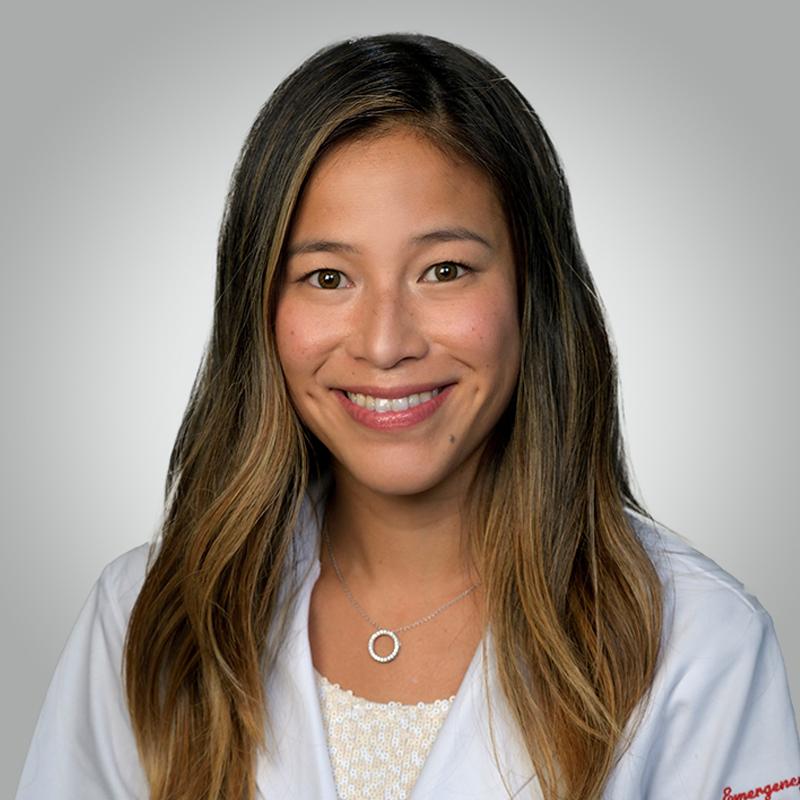
Kathleen Lee named a PA "40 in their 40s" changemaker
Kathleen Lee, MD, associate chief transformation officer and associate vice president at the University of Pennsylvania Health System, was recognized by City & State PA for her leadership in health care, driving new care models and platforms that improve outcomes for patients, health care workers, and the health system.
Release notes August 2026
Read Way to Health updates including recently launched programs, new features and enhancements, and bug fixes.

Nudges help more ED patients access treatment for alcohol misuse
A Penn Medicine Nudge Unit initiative increased naltrexone prescribing for patients with alcohol-related conditions – from 0.2 percent up to 3 percent – in emergency departments (EDs), helping more patients access evidence-based treatment before leaving the hospital. The intervention uses behavioral science and EHR-based nudges to make it easier for clinicians to identify eligible patients, prescribe medication, and connect them with additional support. The work has drawn national attention, including coverage in STAT News, as a promising approach to addressing the growing impact of alcohol misuse.

Automated calls reduce missed appointments
A CHTI-led trial found that automated phone calls help reduce the no-show rate among patients most likely to miss their appointments. When these patients received calls that let them easily confirm, cancel, or reschedule, the no-show rate dropped by 1.7 percentage points. The approach proved effective over time and has since been expanded across the health system using a scalable communication platform.

Learning how to make change: Reflections from Transformation Fellow Therese Murphy
Therese Murphy reflects on her first year as a CHTI transformation fellow working on the OnePenn Breast Oncology initiative—where progress came through steady, behind-the-scenes work. The experience reshaped how she sees systems and change, and confirmed that transformation work is measurable, meaningful, and worth building a career around.